Source Medium Pressure Liquid Nitrogen Tank for Pharma, Medical, and Chemical
Find and compare 30 medium pressure liquid nitrogen tank options from verified Chinese manufacturers. Evaluate models like YDS-300 and YDS-35 for pharmaceutical, medical, and chemical applications, noting features such as double-layer metal construction and customizable packaging.
Key considerations
Products List




Comprehensive Sourcing Guide
Medium Pressure Liquid Nitrogen Tank Sourcing Guide
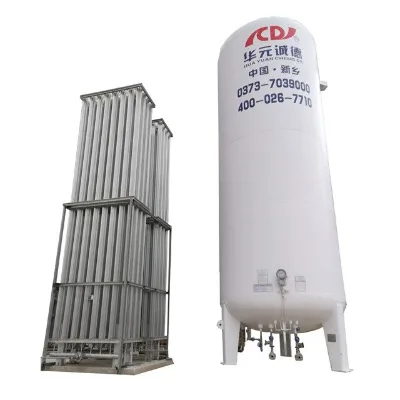
The medium pressure liquid nitrogen tank serves as a critical component in industrial and medical supply chains, designed specifically for the storage and transportation of cryogenic fluids under controlled pressure conditions. Based on observed market listings, these units are frequently categorized as low-temperature storage and transportation equipment, with applications spanning pharmaceuticals, petroleum, new energy, medical facilities, food processing, electronics, and chemical manufacturing. Buyers must recognize that while the core function remains consistent, the specific configuration—whether cylindrical or cube-shaped and constructed from metal, stainless steel, or aluminum—varies significantly to meet the distinct thermal and pressure requirements of different sectors.
Procurement decisions for these tanks hinge on understanding the distinction between static storage vessels and dynamic transport containers. The observed product data indicates a range of models, from small-scale units like the YDS-2 and YDS-6 to larger industrial systems such as the YDS-300 and YDZ-300, each tailored to specific volume capacities ranging from 2.0 liters to 50 liters or more. Sourcing strategies must account for these variations, as the structural properties, such as double-layer insulation, and the intended purpose, whether for gas storage or gas manufacturing, dictate the necessary engineering tolerances and safety protocols required for safe operation in a medium-pressure environment.
Product Scope and Observed Listing Signals
When evaluating product listings, buyers should scrutinize the specific material composition and structural design to ensure alignment with medium-pressure requirements. The market data reveals a prevalence of stainless steel and aluminum materials, often presented in double-layer configurations to maintain thermal efficiency and structural integrity under pressure. Listings frequently specify the tank material as "Metal Tank" or explicitly name the alloy, while the shape is described as either cylindrical or cube-shaped. It is essential to verify that the "Liquid Nitrogen Storage" application matches the intended medium-pressure use case, as some listings may refer to low-pressure dewars or general-purpose gas tanks that lack the necessary pressure ratings for medium-pressure applications.
Commercial signals in the listings provide critical context regarding the scale and customization potential of the available inventory. The observed range of net weights, from 2.8kg to 50kg, suggests a diverse portfolio catering to both portable laboratory needs and heavier industrial installations. Buyers will encounter varying packaging standards, including wooden crates, cartons, and container loading options, which directly impact logistics planning and cost. Furthermore, the availability of customization is a key differentiator; while some units are standard "New" condition items, others offer "Customized" specifications, allowing procurement teams to tailor dimensions, such as the 1000600 or 300500 standards mentioned, to fit specific facility constraints or operational workflows.
Technical Specifications to Verify
Technical verification begins with the precise identification of the product model and its corresponding capacity, as these parameters define the operational envelope of the tank. The observed data includes specific model numbers like YDS-300, YDZ-300, YDS-35, YDS-2, and YDS-6, each associated with distinct standard capacities ranging from 2.0 liters to 50 liters. Buyers must cross-reference these model numbers with the manufacturer's technical datasheets to confirm the pressure rating, ensuring the unit is rated for medium-pressure service rather than atmospheric storage. The "Machine Size" is noted as "Small" in some contexts, which may refer to the footprint of the generator or tank assembly, requiring careful dimensional analysis to ensure compatibility with existing infrastructure.
Beyond capacity, the structural and operational specifications must be rigorously checked to guarantee safety and performance. The double-layer structural property is a common feature observed in the listings, designed to minimize heat ingress and maintain the liquid state of nitrogen over extended periods. Buyers should verify the voltage requirements, as some associated equipment, such as nitrogen generators or pumps, may operate at 440V, necessitating compatible power infrastructure. Additionally, the noise level, described as "Ultra Quiet" or "Low," is a relevant specification for facilities requiring a quiet working environment, such as medical or pharmaceutical labs, and should be confirmed against the specific model's acoustic output data.
Compliance and Safety Documentation
Compliance verification is paramount when sourcing cryogenic equipment, as the industry is governed by strict international and regional safety standards. The observed listings cite a wide array of certifications, including GB, TUV, GS, QS, ISO, UR, RoHS, CE, and CCC. Buyers must demand valid, current certificates for the specific model being purchased, as the presence of a certification on a general listing does not guarantee that every unit in a batch meets the standard. For medium-pressure applications, specific pressure vessel certifications are often required, and the buyer should ensure that the "ISO" or "CE" marks correspond to the relevant pressure equipment directives applicable in the destination market.
Safety documentation must also address the operational hazards associated with liquid nitrogen, including extreme cold and asphyxiation risks. The "Condition of Service" is listed as "New," which implies the equipment has not been previously subjected to cryogenic cycling, but this should be verified through a visual inspection and pressure test report. The "After-Sales Service" period of 25 days mentioned in some listings is a critical commercial term that defines the warranty window for pressure integrity and material defects. Buyers should require a comprehensive safety data sheet (SDS) and a detailed operation manual that outlines emergency procedures, leak detection protocols, and proper handling techniques for the specific tank material and pressure rating.
Cost Drivers and Commercial Terms
The cost of a medium pressure liquid nitrogen tank is influenced by a complex interplay of material quality, manufacturing complexity, and logistical requirements. The observed price range of 42 to 200,000 USD reflects the vast difference between small, portable units and large, custom-engineered industrial systems. Factors such as the use of high-grade stainless steel versus aluminum, the complexity of the double-layer vacuum insulation, and the precision of the pressure relief mechanisms significantly drive the base price. Buyers should analyze the cost per liter of capacity and the total cost of ownership, including energy efficiency and maintenance requirements, rather than focusing solely on the initial purchase price.
Commercial terms, including Minimum Order Quantity (MOQ) and shipping logistics, play a decisive role in the final procurement cost. The observed MOQ range of 1 to 500 units indicates that suppliers cater to both single-unit procurement for pilot projects and bulk orders for large-scale deployments. Shipping packages, ranging from cartons to container loading, and the origin location of China, impact freight costs and lead times. Buyers must negotiate clear terms regarding Incoterms, insurance coverage for high-value cryogenic equipment, and the handling of customs duties, as the "Wooden" or "Container Loading" packing methods may incur additional fees or require specific phytosanitary certifications for international transport.
Supplier Qualification and Quality Control
Supplier qualification requires a thorough vetting of the manufacturer's production capabilities and quality assurance processes. The "Material Quality" is explicitly noted as "Stainless Steel" in several listings, but buyers must verify the grade and thickness of the material used to ensure it meets the pressure requirements. The "Customization" availability suggests that the supplier has the engineering capacity to modify standard designs, but this capability must be validated through a review of their design history and previous project portfolios. A qualified supplier should demonstrate a robust quality control system that includes material traceability, non-destructive testing, and pressure testing of every unit before shipment.
Quality control protocols should extend beyond the factory floor to include third-party inspection and certification verification. The presence of multiple certifications like TUV, GS, and ISO indicates a commitment to international standards, but buyers should request independent audit reports to confirm the supplier's adherence to these standards. The "Parts" listed as "Gas Tank" components should be sourced from reputable sub-suppliers to ensure the integrity of the entire assembly. Buyers should also assess the supplier's after-sales support structure, including the availability of spare parts and the responsiveness of their technical team, to ensure long-term operational reliability and rapid resolution of any field issues.
Long-Term Procurement Checks
Long-term procurement success depends on establishing a framework for ongoing performance monitoring and supplier relationship management. Buyers should implement a schedule for regular inspections of the tanks to check for insulation degradation, pressure seal integrity, and material fatigue, especially given the extreme thermal cycling involved in liquid nitrogen storage. The "After-Sales Service" of 25 days is a starting point, but a robust long-term agreement should include extended warranty options, scheduled maintenance visits, and a clear protocol for emergency repairs to minimize downtime in critical applications like pharmaceutical or medical facilities.
Strategic procurement also involves monitoring the supplier's ability to adapt to evolving industry standards and technological advancements. As regulations regarding pressure vessels and cryogenic safety evolve, the supplier must demonstrate a commitment to continuous improvement and compliance updates. Buyers should maintain a dynamic supplier database that tracks performance metrics such as delivery lead times, defect rates, and responsiveness to technical queries. By fostering a collaborative relationship with a qualified supplier, organizations can ensure a steady supply of high-quality medium pressure liquid nitrogen tanks that meet their evolving operational needs and safety requirements.
FAQs
What certifications are available for liquid nitrogen tanks?
Liquid nitrogen tanks typically carry certifications such as GB, TUV, GS, QS, ISO, UR, RoHS, CE, and CCC. These standards ensure compliance with international safety and quality requirements. Buyers should verify specific certification needs based on their regional regulations and intended application fields, including pharmaceutical, medical, or chemical industries.
Can these tanks be customized for specific applications?
Yes, customization is available for liquid nitrogen storage equipment. Manufacturers offer tailored solutions including double-layer structures, cylindrical or cube-shaped designs, and specific materials like stainless steel or aluminum. Customization options extend to voltage requirements, such as 440V, and packaging methods like wooden crates or container loading to meet unique operational needs.
What are the common specifications for YDS series tanks?
The YDS series includes models like YDS-300, YDS-35, YDS-2, and YDS-6, designed for low-temperature storage and transportation. Specifications vary by model, with capacities ranging from 2.0 liters to larger volumes. These tanks are constructed with metal materials, often featuring silver or white colors, and are optimized for storing liquid nitrogen in various industrial and medical settings.
How is the net weight of these tanks determined?
Net weights vary by model and material, ranging from 2.8kg to 50kg for smaller units, with some specific models weighing around 5.8kg. Larger tank containers or specialized equipment may have different weight profiles. Buyers should consult specific product datasheets for precise weight information, as it impacts shipping logistics and handling requirements for the storage equipment.
What after-sales service is provided for these tanks?
After-sales service typically includes support for a period of 25 days following purchase or installation. This service covers maintenance, troubleshooting, and technical assistance for liquid nitrogen storage and transportation equipment. Buyers should confirm the exact scope of service with suppliers, as it may vary based on the product type, certification, and specific application requirements.
Which materials are used in constructing these tanks?
Tanks are commonly constructed from metal materials, including stainless steel and aluminum, to ensure durability and thermal efficiency. The double-layer structure helps maintain low temperatures for liquid nitrogen storage. Material selection depends on the specific application, such as pharmaceutical, chemical, or new energy sectors, ensuring compatibility and safety for the stored substances.